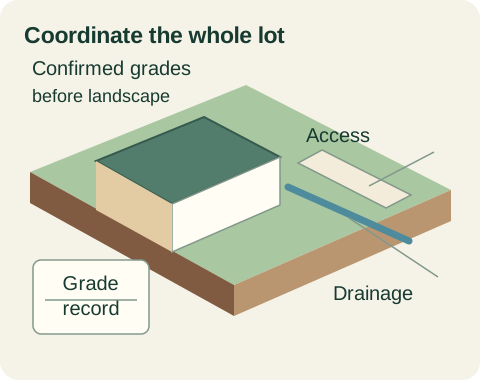
A bare new-build yard can look ready for hydroseeding while other work remains unresolved. Confirmed grades, soil preparation, drainage routes and construction access need to align before the application is scheduled. The homeowner, builder and landscape contractor may each hold different information. Bring their responsibilities into one readiness record so the seeded surface is the result of a coordinated handoff rather than an attempt to finish the appearance ahead of the underlying work.
Obtain the grade information first
The City of Calgary advises owners not to landscape a new lot until grades are confirmed. Its lot-grading guidance describes drainage away from buildings and toward the appropriate street, lane or swale without adversely affecting neighbouring properties or public infrastructure. Ask the builder which grade documents apply to the property and whether the current surface has been checked against them.
Keep the relevant documents with the landscape brief and identify the person who can interpret them. A photograph of a smooth yard or a statement that rough grading is complete does not establish final landscape readiness. If adding soil would change the intended drainage, have that change assessed before delivery. Do not ask an application contractor to resolve an undocumented grade discrepancy through the seed treatment.
Resolve the remaining work sequence
List every activity that will cross or disturb the proposed area: fencing, patio installation, utility work, material removal and equipment access are common coordination questions. Ask each participant for the route and expected completion date. Decide which activities need to precede soil preparation, which can use a protected route and which require a later restoration phase.
A temporary fence opening might be the only practical way to access the rear yard. Closing it before preparation can alter the method or cost, while leaving it unresolved can affect household use. Treat these choices as part of the schedule. Confirm the final access plan with the installer instead of assuming a general promise of backyard access covers every equipment and hose arrangement.
Define what soil preparation includes
Request separate descriptions for imported soil, existing soil treatment, debris removal and final surface preparation. Ask how soil quality will be assessed for the intended lawn and whether additional testing or specialist advice is needed. Record the source of imported material and the boundary of any work near retained trees, foundations, drains or other sensitive features.
Calgary's YardSmart resources encourage considering soil quality in a water-wise landscape. That does not replace a site-specific preparation specification or resolve compaction below a surface layer. Agree on the prepared condition the application contractor will inspect. If the homeowner supplies soil or preparation, use the same written boundary and inspection rather than relying on two different interpretations of ready.
Protect drainage features during delivery
Identify swales, drains and other intended water pathways on the work sketch. Show the crew where materials can be staged without obstructing them. Ask how temporary piles and access disturbance will be managed while the work is in progress. The important coordination question is what happens between delivery and completion, when a rain event can occur before the lawn is treated.
The City's stormwater guidance asks owners to keep dirt from yard and construction work off streets and protect it against erosion and runoff. Include cleanup and protection responsibilities in the scope. A delivery note for a soil load does not identify who controls an exposed stockpile, removes tracked material or responds if sediment leaves the property before installation.
Make access dimensions and restrictions concrete
Measure the actual gate opening and identify narrow turns, stairs, overhead clearances and surfaces requiring protection. Photograph the route from the staging point to the lawn. Ask whether the installer intends to work from the street, lane or another approved location, and who obtains any required permissions. Access should be confirmed using the proposed method rather than a generic equipment description.
Tell the contractor about household constraints that affect safe work: occupied entrances, pets, children, shared paths and scheduled deliveries. Establish a temporary route that remains available during application and care. If the only walking route crosses the new treatment, discuss the arrangement beforehand. A household access problem can become repeated surface damage even when application itself is successful.
Establish a readiness inspection
Create a short handoff record showing the treatment area, exclusions, agreed ground condition, grade-document status and unresolved issues. Have the responsible parties review it before materials are applied. Photograph representative locations and record the date. The inspection can identify concerns and decisions; it should not be presented as a formal grade certification unless the qualified professional actually performs that service.
If a discrepancy remains, identify who will resolve it and whether application should wait. Examples include visible debris, an uncertain low spot or preparation different from the quoted assumption. Document the decision rather than burying it in an informal conversation. This creates a useful record for later review if the area behaves differently from what either party expected.
Prepare the homeowner's establishment handoff
The application date often marks a change in responsibility from construction teams to the occupant. Name who will inspect the site, follow current watering permissions and report problems. Supply the actual seed and product records, treatment sketch and care instructions. Connect the homeowner with the right contact for establishment questions rather than assuming the builder's general warranty channel has the application details.
Keep pending landscaping separate from lawn care. If a patio crew is returning, provide its route and restoration obligation to the caregiver as well. Record when normal traffic, mowing or other use will be reviewed against the actual vegetation condition. Neither a move-in date nor a green surface appearance establishes that the area is ready for every planned activity.
Use a realistic new-build coordination example
Imagine a narrow infill yard with confirmed drainage information, an unfinished fence and a planned rear patio. The owner asks the builder and landscape contractor to agree on the soil and access boundary. The patio and major deliveries finish first; a gate route remains open for preparation. A readiness walk identifies one area requiring further grade review before it joins the application scope.
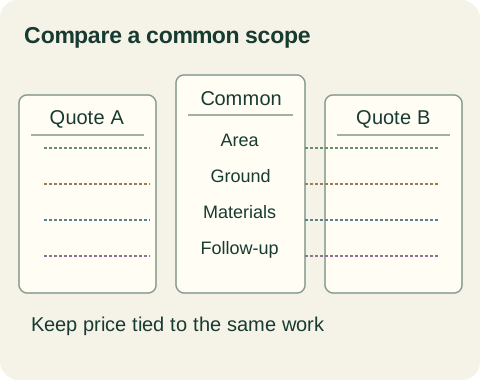
The final brief now contains two treatment phases, a documented exclusion, a household access route and named establishment care. The owner can request a comparable quote and schedule without pretending all bare ground is ready at once. This sequence is a planning example, not a HAUSE job record or a guaranteed approach for every Calgary lot.
Sources + further reading
- City of Calgary: Be YardSmart
- City of Calgary: Lot grading and positive lot drainage
- City of Calgary: Stormwater management
Source review: 2026-10-04. Requirements and programs can change; confirm the current details with the authority or provider.