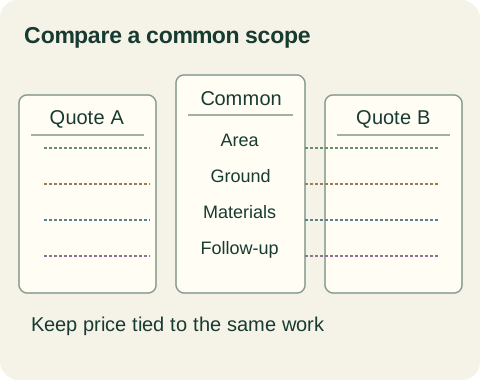
Two prices can describe different jobs even when both are labelled hydroseeding. Compare the treatment boundary, ground condition, material specification, application process and establishment responsibilities before comparing totals. A common brief makes differences visible and helps you ask targeted questions. This guide provides a procurement worksheet; it does not estimate a market price, promise a contractor's availability or imply that a low area rate includes every task needed for a functioning landscape.
Give each estimator the same project information
Supply a measured sketch, photographs, vegetation objective and known site constraints. Identify exclusions and areas still requiring assessment. State whether soil and grade are ready, who prepares them and which documents establish that boundary. If information changes after a site visit, share the revision with every estimator so the comparison remains based on the same assumptions.
Include household or project constraints such as access dates, remaining trades, water supply and the responsible caregiver. An estimator cannot accurately scope an unknown preparation condition or a water arrangement that has not been disclosed. Allow proposals to identify unresolved items, but ask that those items appear as explicit qualifications rather than silently being assumed favourable.
Clarify the measured area and measurement basis
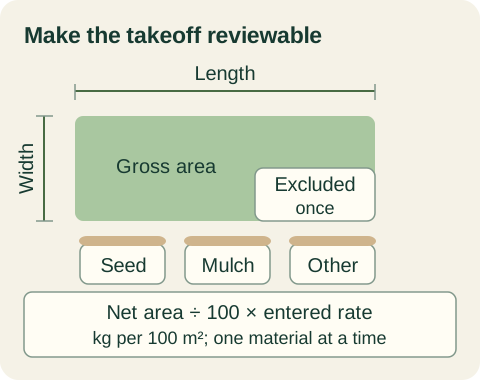
Ask whether the quote uses a surveyed quantity, field measurement, plan takeoff or an owner's estimate. Distinguish horizontal plan area from actual slope surface where relevant. List exclusions and separately treated zones. Agree on how the final quantity will be checked and how an area change affects the price. This is more precise than comparing a single stated unit rate.
For a hypothetical rectangular yard, a patio exclusion may be included by one estimator and removed by another. Neither total can be compared fairly until the boundary is reconciled. Use a shared marked plan and record the version. For irregular or steep sites, request the appropriate measurement approach rather than forcing every geometry into a simple length-times-width calculation.
Break preparation into named tasks
List grading review, debris removal, existing vegetation management, soil assessment, imported material and surface preparation separately where they apply. Identify which items are supplied by the owner, builder or application contractor. A quote that starts at a prepared surface should state what condition must be provided and how readiness will be confirmed.
Ask how unforeseen ground conditions are handled. Who documents the issue, what information supports a change and who can approve additional work? A provisional amount can be useful if its purpose and adjustment method are clear. An unexplained allowance or broad soil-ready exclusion can make the apparent total misleading even when nobody intends to omit necessary work.
Identify every proposed component
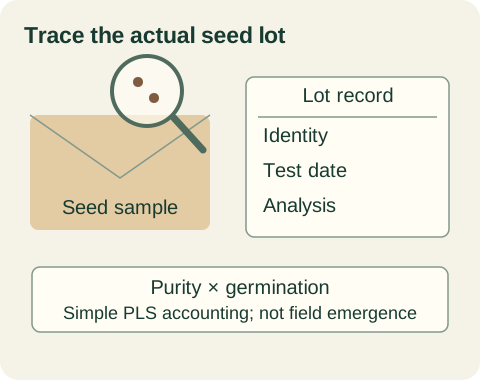
Request seed identification and appropriate lot documentation, plus the actual mulch, tackifier or other component information. State the rate and unit basis for each material. A total tank mass without a component breakdown cannot show whether the specified seed or protection material is accounted for. Ask whether the products are applied together or through a defined sequence.
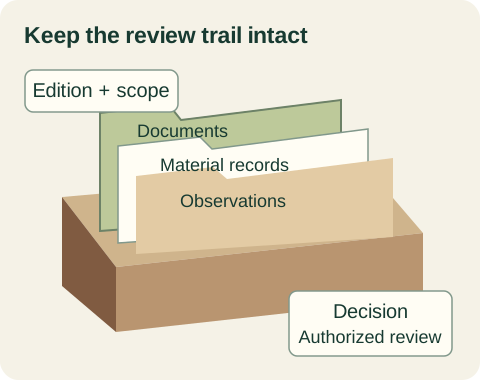
CFIA's seed-lot guidance supports using identifiable analysis and current material records. It does not certify that any proposed mix suits your property. Keep product identity and project suitability as separate review questions. If substitutions are possible, require the authorized approval process and a revised record before application, particularly where a native or specification-led vegetation objective applies.
Confirm implementation and access
Ask how the crew reaches each zone, stages resources and protects retained surfaces. Record any water-supply assumption, cleanup boundary and permission needed for the planned route. If the method or equipment changes, have the contractor explain the effect on the agreed scope. A generic statement that all access is included should still connect to the real property layout.
Request the relevant application record: date, boundary, material quantities and any deviations from the approved specification. For a small residential project, the record can be proportionate and simple. For a larger project, the governing documents may require more. The point is traceability appropriate to the work, not adding paperwork that nobody uses to assess delivery.
Separate application completion from establishment review
An immediate visit can check whether the specified application and records are complete. A later review examines what is developing on the site. These are different milestones with different evidence. Ask whether both are included, who performs them and what criteria govern the later decision. Do not let a visible carrier colour stand in for plant cover or rooting.
Where protection must remain active, keep its maintenance responsibility visible through the transition. The Calgary ESC specifications distinguish ongoing surface protection from vegetation that later replaces it. That principle helps frame the scope question even when the actual project uses different documents. Ask when the responsibility ends and which authorized review supports that conclusion.
Read repair and warranty terms as responsibilities
Ask what the contractor promises, what the owner must do and which conditions are excluded. Define how a concern is reported, what evidence is collected and how a repair decision is reached. Do not assume all patchiness automatically triggers a free repeat application or that every environmental event removes the contractor's responsibility; the written agreement needs to explain the allocation.
Care duties should be practical and connected to the actual instructions. If the owner is expected to inspect, water lawfully and restrict traffic, specify who does those tasks and how problems are documented. Resolve an impossible or undefined responsibility before signing. The value of an establishment promise depends partly on whether its conditions can be understood and carried out.
Compare a hypothetical pair of proposals
One fictional quote includes application to owner-prepared soil and no follow-up visit. Another includes surface preparation, specified seed records and a review against an agreed criterion. The owner first aligns the area and materials, then compares the missing preparation and care items. The resulting discussion addresses the different scopes instead of assuming one company charges more for an identical service.
Create a final comparison with columns for included, excluded, provisional and owner-supplied tasks. Attach the same plan and highlight unresolved questions. Once those questions are answered, the owner can make an informed choice using price alongside the work, evidence and responsibilities being purchased. Retain that completed comparison with the accepted quotation for future reference.
Sources + further reading
- City of Calgary: 2022 ESC standard specifications
- Canadian Food Inspection Agency: Multiple seed-lot test results
Source review: 2026-10-04. Requirements and programs can change; confirm the current details with the authority or provider.