Give the next person a clear starting point
The day of application is the start of a new care responsibility. Someone needs to know what was treated, what information came with the materials and whom to contact when the surface changes. A handoff should make those facts easy to find without requiring the homeowner to remember an entire conversation.
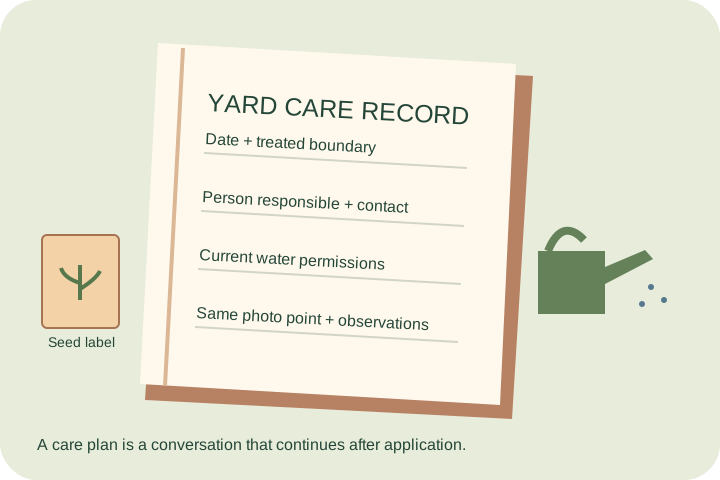
Create a short folder or notebook for the actual yard. Put the address, application date, provider contact and the named caregiver on the first page. Add a sketch of the treated boundary, including beds, paths and areas intentionally left alone. Record any work still to be completed nearby so the caregiver can anticipate traffic or disturbance.
Collect the instructions that belong to this application
Ask for the seed identification and the instructions for the actual materials used. Keep preparation notes and application records separate. If the homeowner was given verbal advice, ask for a written version and clarify anything that conflicts with the product information or project scope. Do not fill an information gap with a universal timetable from another yard.
Write who is responsible for watering, access protection and routine observation. If more than one person helps, make the transfer explicit. A neighbour checking the yard while you travel needs the same boundary and contact details, not just a request to keep everything green.
Check permissions before choosing the method
The City's lawn and landscape watering schedule distinguishes ordinary watering from establishment periods. Temporary outdoor water restrictions can change what is allowed. Check the current guidance before application and during care; record the date you checked it alongside the actual sowing date.
Ask the provider how the care approach can meet both the material instructions and the applicable permissions. State practical constraints such as the water source, hose reach and times when a caregiver is available. A chosen timer setting is not evidence that the entire area receives suitable moisture or that the current watering method is permitted.
Make repeat observations easy
Choose two or three photo points that can be reached without unnecessary traffic on the seeded area. Photograph the same view on each visit. Note rainfall or watering observations, visible bare patches, unwanted traffic and any runoff or ponding. Describe what you see rather than assigning a cause from appearance alone.
Keep plant growth, exposed ground and other vegetation as separate notes. A green surface is not a complete establishment assessment. If the written scope contains a review or acceptance step, identify the evidence and the person authorized to make that decision. A homeowner's observation record supports that review; it does not replace it.
Agree which changes need a prompt call and which belong in the routine visit record. Ask the provider to explain the response when material moves, an access route is disturbed or a patch looks different from its neighbours. Avoid inventing your own repair or adding another product before the cause and responsibility have been reviewed.
Leave space for a concern and its response
For a problem, record when it first appeared, its location on the sketch and contrasting areas that look different. Ask the responsible provider or adviser to review the pattern, preparation and care history. Record the agreed next step, who will carry it out and the date of the next check. Keep the original observations even if the diagnosis changes.
Use the observation planner to organize entered observations and visit effort. It does not identify plants or accept the yard. For a new request, share the relevant record through HAUSE intake so the conversation begins with what has actually happened.
Put the note to work
Record the relevant observations, documents and unanswered questions in your project brief.
Prepare your request ↗